Choosing the right Coreless DC Motor can be a challenging task. With various options available, it can be overwhelming. A Coreless DC Motor offers unique advantages, but not all choices fit every need.
Consider the details. What applications are you targeting? For robotics, a lightweight design is crucial. In contrast, for precision tasks, torque performance is key. Each motor has specific attributes. Knowing these can guide your decision.
Quality matters. Look for manufacturers with a solid reputation. Reading reviews helps. However, not every motor lives up to its claims. It’s essential to weigh performance against price. Ultimately, a well-informed choice leads to better outcomes. This process requires time and attention to detail.
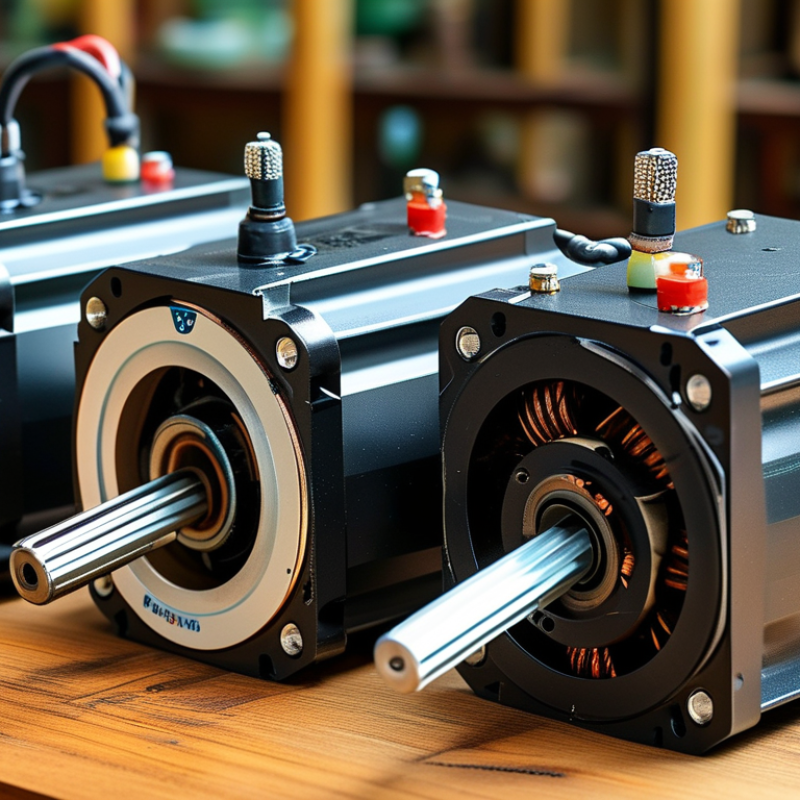
Coreless DC motors are gaining popularity due to their unique design and advantages. Unlike traditional motors, these motors lack an iron core, resulting in reduced weight and increased efficiency. This design leads to better performance, especially in applications that require high acceleration and deceleration. According to industry reports, coreless motors can achieve up to 90% efficiency, making them ideal for precision tasks.
When selecting a coreless DC motor, consider the torque and speed requirements of your application. This helps ensure optimal performance. Moreover, pay attention to the motor's physical size, as coreless motors are compact and can fit into tight spaces. Many users highlight their quiet operation, which is essential in sensitive environments.
**Tips:** Always validate the thermal performance of the motor under load. This helps avoid overheating during prolonged use. Testing different load conditions can provide insights into durability. It’s a common mistake to overlook these details, leading to potential performance issues. Understanding your specific needs will guide you in making a more informed choice.
When choosing a coreless DC motor, several key specifications are crucial to consider. Start with the voltage rating. This determines how efficiently the motor will operate in your application. A mismatch can lead to reduced performance or even damage. Additionally, assess the motor's torque requirements. Different applications demand varying levels of torque, so understanding your needs is essential.
Another critical factor is the speed ratings. Coreless DC motors can achieve high RPMs, but the ideal speed must align with your specific purpose. Consider the load characteristics as well. A motor must handle the expected load without strain. Also, look into the dimensions and weight. Compact designs often fit better in limited spaces, while lightweight motors improve overall efficiency.
Finally, don't overlook thermal performance. High-performance motors generate heat, which can impact lifespan and function. Testing under real conditions can reveal if a motor is a good fit. It's essential to evaluate these aspects thoroughly. Sometimes, the perfect solution is not immediately obvious and may require adjustments after initial trials.
| Specification | Description | Importance |
|---|---|---|
| Voltage Rating | The maximum voltage the motor can operate at without failure. | Essential for matching the motor to your power source. |
| Speed (RPM) | Revolutions per minute, indicating the motor's speed of operation. | Crucial for applications requiring specific speed settings. |
| Torque | The rotational force produced by the motor. | Key for applications needing precise movement or load handling. |
| Current Rating | The maximum continuous current the motor can handle. | Important for energy efficiency and thermal management. |
| Size and Weight | Physical dimensions and weight of the motor. | Critical for compact designs and weight-sensitive applications. |
| Efficiency | The ratio of mechanical output power to electrical input power. | Affects performance and energy consumption. |
| Life Cycle | Expected operational lifespan under standard conditions. | Important for maintenance and operational scheduling. |
| Type of Load | Type and behavior of the load the motor will drive. | Influences torque and speed requirements. |
Choosing the right coreless DC motor depends significantly on your application scenarios and performance requirements. Coreless motors excel in environments where size and weight matter. They are perfect for robotics, drones, and miniature devices. Their compact design allows for higher efficiency and better heat dissipation.
Consider the specific demands of your project. Do you need high torque or rapid acceleration? Coreless motors can achieve high RPMs, but some may lack torque at lower speeds. This trade-off requires careful consideration of your needs. For instance, an application in medical devices might prioritize precision over raw power. Yet, some coreless motors struggle to deliver consistent performance under varying loads.
Moreover, assess the power source. Battery-operated devices often benefit from lower voltage motors. However, this may lead to a compromise in performance. Testing various motors in real-world scenarios is invaluable. Observing their reaction can highlight strengths and weaknesses you may not anticipate. Even with a carefully selected motor, factors like heat and wear might demand ongoing adjustments. Effective troubleshooting is part of the journey in optimizing motor performance.
When selecting a coreless DC motor, cost and quality are critical. A lower price might seem appealing, but hidden costs can arise. For example, cheaper motors often lack durability and performance consistency. Evaluate the motor's materials and construction. Quality components enhance reliability and longevity. This attention to detail can save you money over time.
Quality factors like efficiency and torque are essential. Motors with higher efficiency consume less energy, which is vital for battery-powered applications. Assess the torque curves to ensure the motor meets your specific requirements. However, some may overlook these specifications, leading to underwhelming performance. Understanding the technical aspects can prevent future issues.
Remember to consider application-specific needs. For high-reliability contexts, investing in a higher-quality motor is essential. However, budget constraints may influence your choice. Balancing cost and quality is challenging. It requires careful consideration and sometimes compromises. Reflect on your priorities to make an informed decision.
When sourcing coreless DC motors, understanding key specifications is essential. These motors offer a lightweight design and high efficiency. Their performance depends on factors like load capacity, voltage, and rotational speed. Research from industry reports indicates that coreless motors improve energy efficiency by up to 30%. Select motors based on your specific performance criteria to ensure optimal application.
Identify reliable suppliers in the market. A critical evaluation of a supplier's reputation helps establish trust. Look for manufacturers with a substantial track record. According to a survey, 70% of engineers prioritize supplier reliability over pricing. This trust fosters long-term partnerships. Don't overlook warranty options and after-sales services. They often reflect the supplier's commitment to product quality.
Consider testing before making bulk purchases. A practical evaluation can unveil performance inconsistencies. Many engineers have found issues during initial testing phases that savings on bulk orders did not justify. It’s essential to be cautious. Reflect on the feedback from previous users or industry colleagues to avoid common pitfalls. Failing to do so can lead to costly mistakes in your project.
: Coreless DC motors lack an iron core. This design leads to lighter weight and higher efficiency.
They offer reduced weight, high efficiency, and improved performance for tasks needing quick acceleration.
Consider torque and speed needs. Assess physical size and ensure it fits your application.
Validating thermal performance prevents overheating. This aspect is often overlooked, but crucial for durability.
Check voltage rating, torque requirements, speed ratings, dimensions, and thermal performance before selecting.
Yes, many coreless motors operate quietly. This feature is beneficial in sensitive environments like hospitals.
A motor must handle expected loads without strain. Compatibility ensures effective operation in your application.
Many overlook detailed testing under various load conditions, leading to performance issues later on.
Yes, finding the perfect motor sometimes requires adjustments after trials. Initial choices may not always be ideal.
Not necessarily. Efficiency can vary based on specific designs and applications. Testing helps identify the best fit.
When selecting the best coreless DC motor for your needs, it's essential to understand their unique advantages, such as high efficiency and compact design. Evaluating key specifications like voltage, speed, torque, and size will help in determining the right motor for your specific application. Different scenarios such as robotics, medical devices, and consumer electronics may have varying performance requirements that a coreless DC motor can meet.
Additionally, considering the balance between cost and quality is critical in making an informed decision. Researching reliable sourcing options and purchasing strategies will further enhance your selection process, ensuring you choose a coreless DC motor that aligns with both your performance goals and budget constraints. By carefully analyzing these factors, you can effectively identify the most suitable coreless DC motor for your project.
