The rise of Brushless Gear Motors marks a significant development in modern engineering. According to a report by MarketsandMarkets, the brushless motor market is projected to reach $29.48 billion by 2026, indicating a robust demand for these efficient solutions. A Brushless Gear Motor combines the advantages of precision gear transmission with the reliability of brushless technology, making it suitable for numerous applications, from robotics to automotive.
Dr. Emily Carter, a renowned expert in motor systems, emphasizes, "The efficiency and longevity of brushless technology are transforming industries." This statement captures the essence of why organizations are gravitating toward these motors. Users benefit from reduced maintenance, improved energy efficiency, and quieter operation. However, integrating these systems can pose challenges. It's vital to consider factors such as cost and compatibility with existing infrastructures.
Brushless Gear Motors are not without their flaws. They may entail higher initial costs and complexity in design. Despite these challenges, industries continually adapt. The balance of benefits against potential hurdles defines the future of motion control technology. Understanding these nuances is essential for making informed decisions in selecting the right motor solutions.
What is a Brushless Gear Motor?
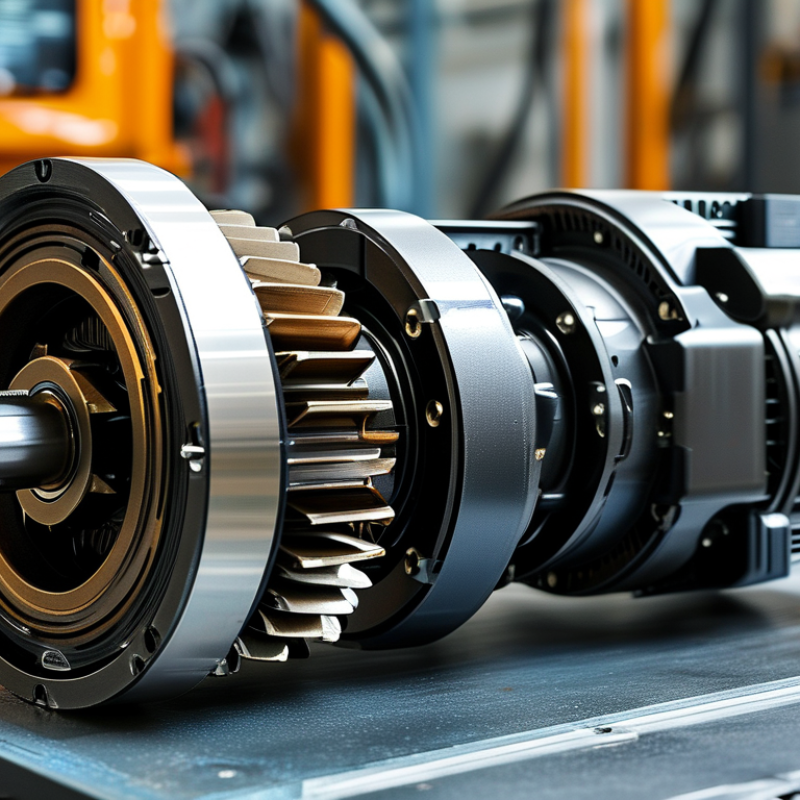
A brushless gear motor is a unique device combining a brushless motor with a gearbox. This design eliminates brushes that can wear out and become less efficient over time. Without brushes, the motor runs cooler, which improves longevity and performance. This technology is widely used in various industrial applications.
One significant benefit of brushless gear motors lies in their efficiency. They can convert electrical energy into mechanical output more effectively than traditional motors. This increased efficiency translates to lower energy consumption, which can be a substantial cost saver. Additionally, these motors tend to provide smoother operation. This is crucial for applications demanding precise control, such as robotics and automation.
However, it's important to consider the initial cost. Brushless gear motors typically come at a higher price point compared to brushed alternatives. This can be a barrier for some businesses. Over time, the savings from energy efficiency and reduced maintenance needs often outweigh these initial costs. Still, examining individual needs can lead to better decision-making.
Understanding the Components of Brushless Gear Motors
Brushless gear motors have gained significant traction in various industries. These motors consist of a stator, rotor, gear train, and electronic controller. The stator creates a magnetic field, while the rotor spins within it. The gear train provides the necessary torque. This combination results in high efficiency and reduced wear compared to traditional motors.
Data from industry reports highlights that brushless gear motors can achieve efficiencies of up to 90%. This is considerably higher than brushed motors, which often max out around 75%. This efficiency translates to less heat generation and extended lifespan. However, while the initial cost of brushless motors might be higher, the long-term savings on maintenance and energy consumption can be significant.
On the downside, integrating a brushless gear motor can be challenging. The electronic controllers require proper tuning to optimize performance. Improperly configured systems may lead to inefficiencies or operational failure. Additionally, technical expertise is necessary for troubleshooting. Investing in training or skilled personnel is vital to harness the full potential of these systems. Despite these challenges, the benefits often outweigh the hurdles. The reliability and longevity of brushless gear motors make them an attractive choice for many applications.
Advantages of Using Brushless Gear Motors in Applications
Brushless gear motors are gaining popularity in various applications due to their unique advantages. These motors operate without brushes, reducing friction and wear. This design enhances their efficiency and longevity, making them ideal for continuous operation. Additionally, the lack of brushes means there is no need for routine maintenance. This aspect is a significant benefit in reducing operational costs over time.
One key advantage of brushless gear motors is precise control. They can provide accurate speed and position control, which is essential for automated systems. This precision helps in applications like robotics and industrial automation. The efficiency of brushless motors also translates to lower energy consumption. In sectors where energy efficiency is critical, this can lead to significant savings.
However, it’s essential to understand that brushless gear motors can be more complex to control than traditional motors. Their electronic components require a good knowledge of motor drivers and control algorithms. This complexity may deter some users who prefer simpler solutions. Therefore, while the benefits are substantial, a learning curve exists for those entering this technology.
Advantages of Using Brushless Gear Motors
This bar chart illustrates the advantages of using brushless gear motors across five categories: Efficiency, Durability, Noise Level, Maintenance, and Cost, rated from 1 to 10. The data indicates that efficiency and durability are the most notable benefits of brushless gear motors.
Common Applications for Brushless Gear Motors
Brushless gear motors have become essential in various industries due to their efficiency and versatility. These motors are widely used in robotics, automation, and computer peripherals. According to the International Electrotechnical Commission (IEC), the global demand for such motors is projected to grow by 8% annually through 2025. This increase is driven by the rise in demand for reliable and energy-efficient systems in manufacturing.
In industrial applications, brushless gear motors excel in high-precision tasks. They can deliver consistent performance over extended periods. For instance, they are commonly employed in conveyor systems, where precise movement is crucial for productivity. Additionally, these motors are often found in electric vehicles and drones, highlighting their importance in modern technology.
Tips: When choosing a brushless gear motor, consider the required torque and speed specifications. It's vital to match these parameters with your application needs to avoid inefficiencies. Keep in mind that while these motors offer numerous advantages, they may pose a challenge in terms of initial cost and complexity of installation.
Moreover, their application in consumer electronics has expanded. Devices like 3D printers and medical equipment increasingly rely on brushless technology for more accurate operations. However, one must be cautious about overheating issues in poorly designed systems. Proper thermal management is essential for optimal performance and longevity of the motor, reinforcing the need for regular maintenance.
How to Choose the Right Brushless Gear Motor for Your Needs
When selecting a brushless gear motor, consider several factors critical to your application.
Brushless gear motors are known for their efficiency and longevity. According to a report from the
International Electromechanical Association, these motors can operate up to 90% efficiency, significantly reducing
energy costs.
The torque requirements of your project will impact your choice. For applications where high torque is essential, a gear
motor with a higher gear ratio is ideal. Perform calculations to ensure it meets your needs. You must be aware that a specific
torque output may require a larger motor, which could affect space constraints.
Tips: Always review the duty cycle specifications. This ensures the motor can handle the
operational demands without overheating or failing.
Also, consider environmental conditions. A motor's durability may vary based on temperature ranges and exposure to moisture.
Many brushless motors come with specific ratings, like IP65 for water resistance. These ratings help define your
motor's reliability in various environments.
Tips: Evaluate the lifecycle of your motor along with replacement costs. Sometimes,
investing slightly more up front can lead to savings down the line due to reduced maintenance and longer service life.
Conclusion
A Brushless Gear Motor is a sophisticated device that combines the benefits of a brushless motor and a gear system, providing efficient performance and enhanced longevity. It consists of essential components such as the motor itself, gears, and an electronic controller, which work together to deliver precise motion control. The absence of brushes reduces wear and tear, allowing for higher efficiency and less maintenance compared to traditional motors.
The advantages of using Brushless Gear Motors are significant; they offer improved reliability, quieter operation, and better torque characteristics, making them ideal for various applications. Common uses include robotics, automotive systems, and industrial automation. When selecting the right Brushless Gear Motor, it's crucial to consider factors such as torque requirements, speed, and application specific needs to ensure optimal performance.
