Top Tips for Choosing Ready To Ship Gear Motor Today?
Choosing the right Ready To Ship Gear Motor can be daunting. With various options available, you need to consider multiple factors to ensure your selection meets your specific needs. Quality, performance, and delivery time are essential aspects. The proper gear motor can directly impact your project's efficiency and success.
When evaluating Ready To Ship Gear Motors, prioritize reliability and manufacturer reputation. Look for trusted brands with positive reviews. Customer feedback can offer valuable insights into performance and durability. Keep in mind that not all options are created equal. Sometimes, cheaper choices may lead to long-term issues, requiring reconsideration.
As you explore the market, remember that specifications matter. Pay attention to torque, speed, and dimensions. Your application might need a tailored solution. Analyze your requirements before making a decision. A slight oversight in this stage could lead to complications later. Be thorough in your research. Strive for an informed decision that meets both your current and future needs.
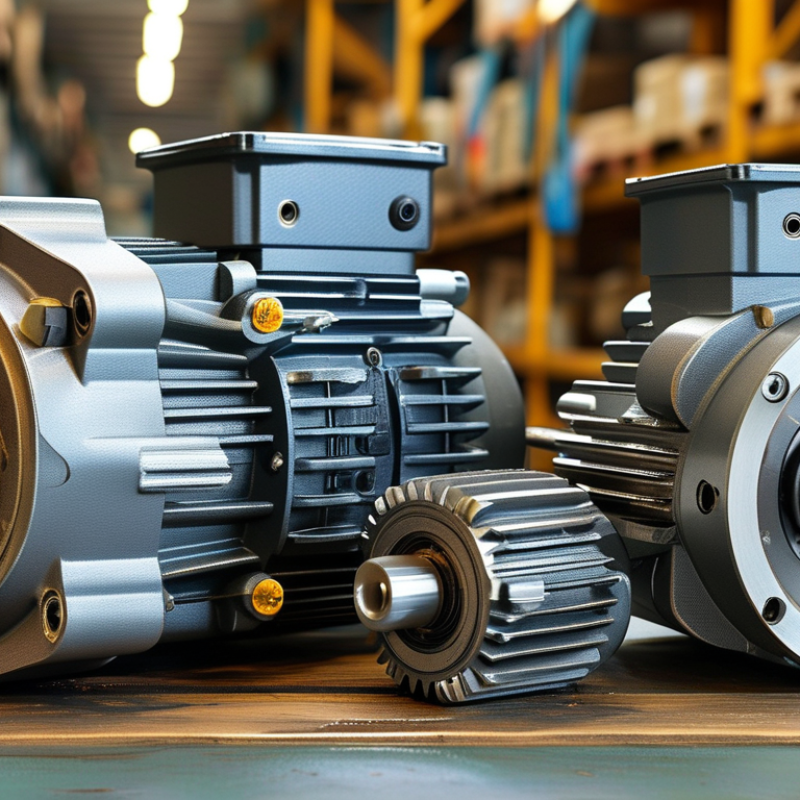
Understanding Gear Motors: Types and Applications in Various Industries
When selecting gear motors, understanding their types and applications is crucial. Gear motors play a vital role in various industries, from manufacturing to robotics. These devices combine a motor with a gearbox to reduce speed and increase torque. Understanding the right type for your needs can streamline operations significantly.
Different industries require specific gear motor features. For example, food processing may need stainless steel gear motors for hygiene. Meanwhile, automotive applications often utilize robust motors for durability. It's essential to align your choice with industry requirements to ensure reliability.
Tips for choosing gear motors include assessing power needs and speed requirements. Consider the environment the motor will operate in. Also, check for compatibility with your existing systems. Do not overlook motor efficiency; it affects overall performance and operational costs. Seeking expert advice can clarify your options and help prevent costly mistakes in selection.
FAQS
: Assess power needs, speed requirements, and environmental factors for optimal performance. Compatibility with existing systems is also crucial.
Torque indicates the force a motor can exert, while speed ratings determine operational speed. Both affect efficiency and workload handling.
Different industries have unique requirements. For example, food processing needs hygienic materials, while automotive apps require durability.
Misestimating torque and speed can lead to performance issues. Not considering efficiency could cause long-term operational setbacks.
Investing in a quality motor may seem costly upfront, but it can reduce maintenance costs and downtime in the long run.
Certifications indicate adherence to quality standards. They can assure you of the reliability and performance of the gear motor.
Operating environments can dictate material needs and motor features. Consider factors like temperature, humidity, and potential exposure to contaminants.
A robust warranty reflects the manufacturer’s confidence and can protect against unexpected breakdowns or issues during operation.
Conclusion
When selecting a Ready To Ship Gear Motor, it is crucial to understand the different types and applications of these motors across various industries. Key specifications such as torque, speed ratings, and overall efficiency should be carefully evaluated to ensure the motor meets specific operational requirements. Additionally, the reputation of manufacturers plays a significant role in ensuring reliability and performance of the gear motors over time.
Balancing cost-effectiveness with quality is another important consideration. While it may be tempting to choose a lower-priced option, investing in a well-manufactured Ready To Ship Gear Motor can lead to better long-term results and reduced maintenance costs. By weighing these factors—specifications, manufacturer reliability, and cost versus quality—buyers can make informed decisions and find the ideal gear motor for their needs.
