Choosing the right Electric Gear Motor for your business can be daunting. Industry expert Dr. Emily Johnson states, "The right motor can elevate your efficiency and performance." Her insights highlight the significance of selecting the correct gear motor tailored to your specific applications.
Electric Gear Motors are crucial in various industries, from manufacturing to robotics. They convert electrical energy into mechanical energy, facilitating motion with precision. Businesses must consider factors like torque, speed, and power when making their selection. An inappropriate choice can lead to operational inefficiencies and unexpected costs.
Many companies underestimate the complexities involved in this process. Often, they lean towards cost-saving options without considering long-term implications. This can result in frequent breakdowns and maintenance issues. It's essential to conduct thorough research to ensure reliability and longevity in your motor choices.
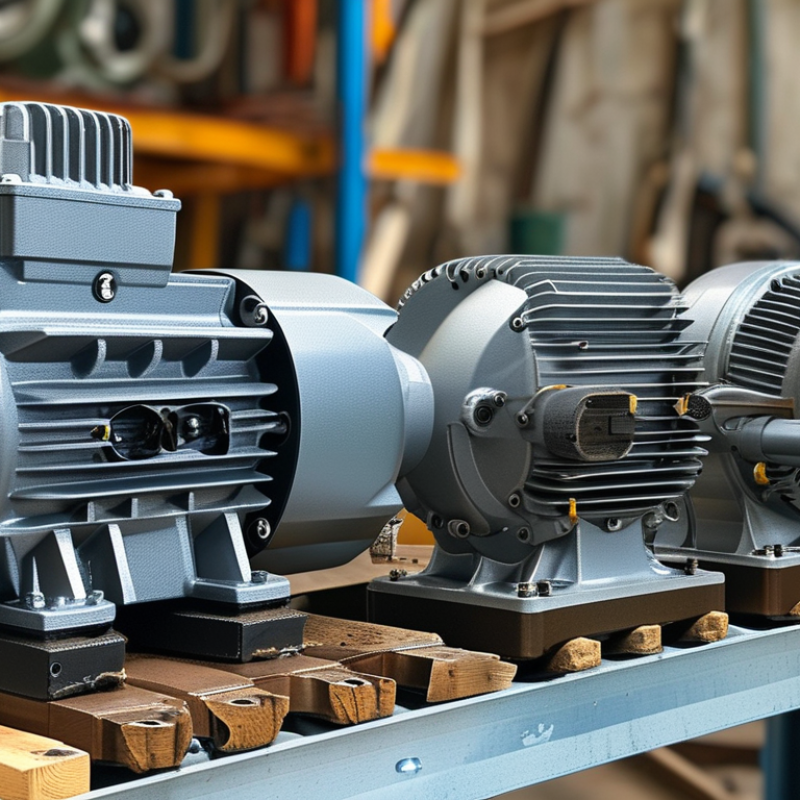
When selecting electric gear motors for business applications, it's crucial to grasp their basic functionalities. Electric gear motors convert electrical energy into mechanical power, which is essential for numerous operations. They integrate a motor with a gear reducer, allowing for specific torque and speed outputs. Understanding torque requirements is critical. Insufficient torque can lead to underperformance, while excessive torque might damage the system.
Additionally, consider the environmental conditions where the motors will be used. Factors such as temperature, humidity, and exposure to contaminants can affect motor performance. It's also important to evaluate the motor's efficiency and how it aligns with your business's sustainability goals. Reliability is key; choosing a motor that's prone to failure can affect productivity. Analyzing past performance and maintenance records can provide insights into reliability. Reflecting on these aspects will help in making informed decisions while selecting the right gear motors for your needs.
This bar chart illustrates the percentage usage of electric gear motors across different industries. Manufacturing leads with 30%, followed by Automotive at 25%. Food Processing, Robotics, and Textiles occupy smaller shares, showcasing the varied applications of electric gear motors.
Choosing the right electric gear motor for your business can significantly impact efficiency and performance. One key factor is the application requirements. Understand the load, speed, and torque needs specific to your machinery. A gear motor that matches these specifications ensures optimal performance. If you underestimate the torque, your motor may struggle and fail prematurely. Understanding how gear ratios affect speed and torque is crucial.
Another important aspect is the environment in which the motor will operate. Consider if it will face dust, moisture, or extreme temperatures. Motors designed for harsh environments resist damage and ensure longevity. It's essential to assess these conditions accurately. Mistakes here can lead to costly downtimes.
Don't ignore the importance of efficiency ratings. Higher efficiency lowers energy consumption, saving costs in the long run. However, balancing efficiency with initial costs can be tricky. Sometimes, an efficient model may not fit within your budget. Reflect on your immediate needs versus long-term benefits when making a final choice.
| Factor | Description | Importance Level |
|---|---|---|
| Torque Requirement | Determine the needed torque output based on your application needs. | High |
| Speed Specifications | Consider the required RPM and speed range for effective operation. | Medium |
| Size and Weight | Assess the physical dimensions and weight constraints in the application. | Medium |
| Power Source | Identify whether the motor will use AC or DC for compatibility. | High |
| Duty Cycle | Evaluate how often and for how long the motor will run. | High |
| Environmental Conditions | Consider temperature, humidity, and exposure to dust or moisture. | High |
| Noise Level | Analyze whether noise will impact the working environment. | Low |
| Cost | Ensure the motor fits within budget constraints without sacrificing quality. | High |
When selecting electric gear motors, torque, speed, and efficiency are crucial factors. Torque determines how much rotational force the motor can produce. If your application requires lifting heavy loads, a high torque rating is essential. Understanding the specific torque needs helps avoid underperformance.
Speed is another critical aspect. It’s important to match the motor speed with your operational requirements. A motor that spins too fast may create inefficiencies or lead to equipment damage. Conversely, a motor running too slowly may not meet production demands. Finding that balance is key.
Efficiency ratings indicate how well a motor converts electrical energy into mechanical energy. Higher efficiency means lower energy costs and longer motor lifespan. It's vital to look at the operational environment. An efficient motor may not perform well if it's not suited for the conditions. Always weigh performance metrics against real-world applications. Assess these aspects carefully to ensure optimal performance and reliability.
When selecting electric gear motors for your business, assessing environmental conditions is vital. Different settings impact performance significantly. Factors like temperature, humidity, and dust levels must be considered. An ideal motor for a clean, controlled space may not perform well in a harsh, outdoor environment.
Humidity can cause electrical components to corrode. Dust accumulation may hinder mechanical parts, reducing efficiency. Thus, motors designed for outdoor use often come with better seals and coatings. Identifying these conditions early can prevent operational failures.
Consider the operational load and duty cycle too. Choose motors that can handle peak demands without overheating. If frequent starts and stops occur, look for designs that accommodate these stresses. Always ensure the motor matches the specific needs of your working environment.
Investing in quality electric gear motors is crucial for your business’s efficiency. A cost-benefit analysis starts with understanding the long-term gains versus immediate expenses. High-quality motors may have a higher upfront cost, but they often outperform cheaper options. These motors tend to offer improved reliability, reduced downtime, and lower maintenance costs. Over time, these benefits can significantly outweigh the initial investment.
While lower-cost options might seem attractive, they can lead to higher operational costs. These cheaper motors may fail more frequently, risking production delays. A thorough analysis should include potential savings from enhanced performance and lifespan. For instance, a reliable motor can reduce energy consumption. This contributes to both environmental sustainability and overall cost savings.
Reflecting on this, consider the implications of your choices. Investing in quality is not just about the product but about the longevity of your operations. A deeper look into the specifications and testing results can provide insight into real-world applications. The right motor can contribute significantly to your business goals, while the wrong choice may lead to continuous troubleshooting. Prioritize investments wisely to enhance both productivity and profitability.
: Consider application requirements like load, speed, and torque needs. Matching specifications ensures optimal performance.
Dust, moisture, and temperature impact performance. Motors for harsh environments resist damage and ensure longevity.
Higher efficiency lowers energy consumption and costs. Balancing this with initial expenses can be challenging.
Underestimating torque can lead to motor struggles and premature failure. It’s crucial to understand these needs.
Humidity can cause corrosion of electrical components, leading to inefficiency and failure. Assess conditions early to avoid issues.
Yes, high-quality motors often outperform cheaper ones, reducing downtime and maintenance costs over time.
Choose motors that can handle peak demands without overheating, especially with frequent starts and stops.
Cheaper motors can fail more often, leading to production delays and higher operational costs in the long run.
Deeply analyze specifications and testing results. The right choice can boost productivity, while the wrong one may cause constant fixes.
Consider immediate needs versus long-term benefits. The investment should enhance productivity and support your business goals.
When choosing Electric Gear Motors for business applications, it's crucial to understand their fundamental role in enhancing operational efficiency. The selection process involves several key factors including the specific torque, speed, and efficiency requirements essential for optimal performance. Businesses must evaluate their operational needs against the capabilities of different electric gear motors to ensure compatibility.
Additionally, assessing environmental conditions is vital, as factors such as humidity, temperature, and exposure to contaminants can impact motor functionality. A thorough cost-benefit analysis is also necessary to determine the long-term value of investing in quality electric gear motors, ensuring that the chosen motors not only meet immediate needs but also contribute to overall business sustainability and productivity.
