Choosing the right AC Gear Motor is not a matter of matching one number on a catalog page. The motor must fit the machine’s load, required speed, operating cycle, and installation space. A conveyor carrying uneven boxes has different needs from a quiet packaging line. Small details matter: startup torque, shaft orientation, mounting holes, and the room available for cooling.
Mechanical-design author Robert L. Norton is a useful reference for thinking about component selection, though the following is a paraphrase, not a verified quotation: “Match the drive to the real load and duty, not just its rated power.” That principle keeps the decision grounded in actual operating conditions. Still, a neat calculation cannot capture every vibration, jam, or change in production. Measure where possible, and leave room to question your assumptions.
These seven tips will help you compare AC Gear Motor options with greater care. Check the load and speed requirements, then consider gear ratio, duty cycle, efficiency, mounting, environment, and maintenance access. Ask suppliers for documented ratings, including service factor and thermal limits, rather than relying on a broad product description. Keep the machine’s future changes in view, too. A motor that works today may be undersized after a heavier product or longer shift is introduced. There is no perfect shortcut. A careful choice starts with clear measurements—and honest questions about what you still do not know.
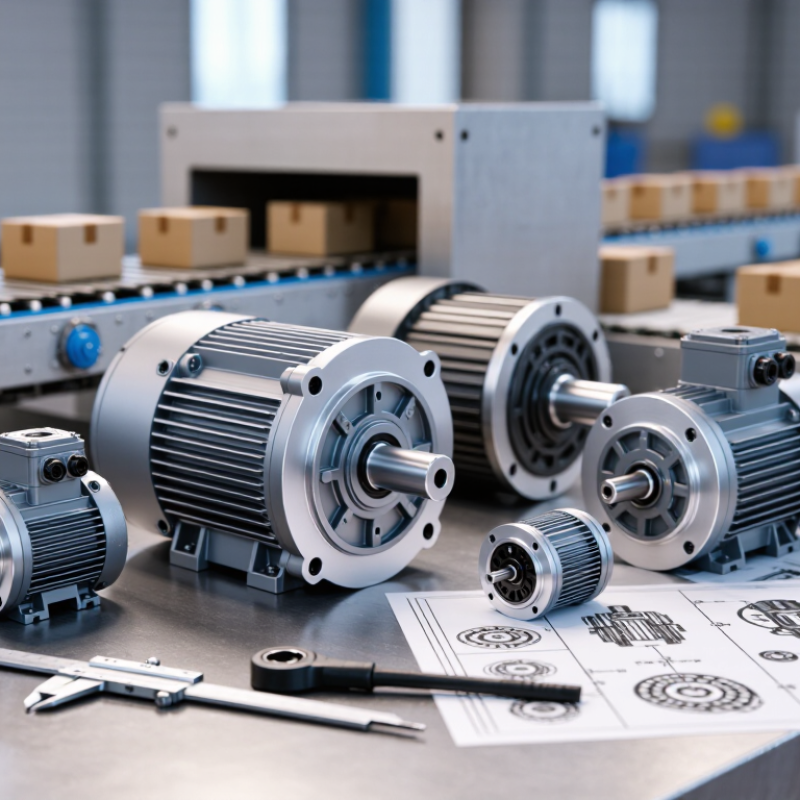
An AC gear motor should be selected for the machine it will drive, not just its rated power. Start at the driven load. Measure it. Record the required output speed, running torque, and start-up torque. A conveyor carrying heavy boxes, for example, may need much more torque to begin moving than to keep running. Note how often it starts and stops, how many hours it operates, and whether the load changes during a shift. These details help identify the motor’s duty requirements and prevent an undersized choice.
Look beyond the steady-state figures. Check the load’s inertia, mounting position, available space, and operating conditions. Dust, moisture, heat, or poor ventilation can affect motor performance and service life. If the machine cycles frequently, confirm that the motor can handle repeated starts without overheating. A common planning mistake is to estimate torque from normal operation alone; actual start-up demand may be higher. Use measured data where possible, and verify calculations with the equipment supplier or a qualified engineer. Early estimates can be imperfect, so leave room to review them when real operating conditions become clear.
Choosing the correct gear ratio starts with the machine’s required output speed. A typical AC motor may run near 1,725 revolutions per minute. If your conveyor needs 60 rpm, divide 1,725 by 60. The result is about a 28.75:1 reduction ratio. A nearby standard ratio may work, but the actual loaded speed can differ.
The ratio also affects output torque. A higher reduction ratio usually provides more torque and slower movement. However, gearbox efficiency reduces the theoretical gain. Check the rated torque, service factor, and duty cycle together. A motor moving a 40-kilogram conveyor load needs more starting torque than running torque. Measure both conditions when possible.
I once selected a motor using only the unloaded speed. The conveyor stalled after several starts. The motor looked suitable on paper, but the high starting load exposed the mistake. Review acceleration time, load inertia, and stopping frequency. Confirm whether the motor runs continuously or in short cycles. For variable-speed operation, check the allowed frequency range and cooling performance. Then test the motor at the real load, not only on a workbench. A simple tachometer can reveal speed changes that the datasheet does not show. Recheck the ratio if the product moves too quickly, slips, or overheats.
Start with the load, not the motor catalog. Estimate the torque needed at the gearbox output, including friction, product weight, and any incline. A conveyor may run smoothly once moving but need much more torque to start with a full belt. Measure the real load if possible. Guesswork is tempting, but it can leave the motor struggling.
Next, check power and speed together. Gear reduction lowers output speed and raises available torque, though gearbox losses reduce the result. Confirm that the motor’s rated power suits the required duty, not just a brief test run. A motor that is too small may overheat; an oversized one can waste energy and cost more. Leave a sensible margin.
Starting performance deserves its own check. Verify the motor’s starting torque and current against the load and available electrical supply. Frequent starts, heavy loads, or long acceleration times may call for a different motor design or a compatible drive. Do not assume rated running torque covers startup. A neat calculation can still miss a sticky bearing or a jam-prone mechanism. Recheck those details before selecting the gear ratio.
An AC gear motor should match both the required speed and the load’s starting torque. A conveyor carrying full bins, for example, may need more startup force than its running load suggests. Compare motor type, gearbox ratio, and duty rating with the machine’s actual cycle. Check the nameplate voltage and frequency against the available supply. Small details matter. A mismatch can cause slow starts, excess heat, or disappointing output.
Controls need equal care. Confirm that the motor works with the intended starter, speed controller, or variable-frequency drive. Not every single-phase motor is suitable for speed control, so verify compatibility with the motor documentation. If the application reverses direction, check the wiring method and control limits before installation. Overload protection should also suit the motor’s rated current. It is easy to focus on the controller and overlook the motor’s own requirements.
Operating conditions can change the right choice. Note ambient temperature, dust, moisture, mounting position, and how often the motor starts and stops. A fan-cooled motor may run hotter at low speed because its cooling fan turns more slowly. Leave room for ventilation, and confirm that the enclosure fits the environment. One useful reality check: compare expected load and cycle time with measured conditions after installation. Estimates are not always right.
| Tip | Selection Area | What to Check | Practical Guidance |
|---|---|---|---|
| 1 | Define the load and required output | Required output speed, continuous and starting torque, load inertia, and expected start frequency. | Base the selection on the machine’s actual load profile, including startup and peak loads. Confirm the motor and gearbox ratings against the manufacturer’s specifications rather than sizing from horsepower alone. |
| 2 | Choose the motor type | Single-phase or three-phase supply, available voltage and frequency, starting requirements, and whether speed must vary. | Three-phase induction motors are commonly used where a three-phase supply and variable-speed control are available. Single-phase options suit many smaller installations, but their starting characteristics and control compatibility vary by design. |
| 3 | Match the gear ratio | Motor speed, target output speed, gearbox ratio, output torque, and gearhead efficiency. | As a first estimate, output speed is motor speed divided by the reduction ratio. Reduction generally increases available output torque, but gearbox losses reduce the power delivered at the output. Verify the rated limits for the chosen gearhead. |
| 4 | Check duty cycle and thermal limits | Continuous or intermittent operation, operating hours, starts per hour, ambient temperature, and cooling conditions. | Frequent starts, high loads, or restricted ventilation can increase motor heating. If speed will be reduced for extended periods, check cooling requirements because a shaft-mounted fan may provide less airflow at low motor speed. |
| 5 | Confirm control compatibility | Whether on/off control, reversing, soft starting, or variable speed is needed; confirm motor, drive, and supply compatibility. | A variable-frequency drive can control speed on compatible AC motors, but not every motor—particularly some single-phase designs—is suitable for every drive. Check the motor and drive documentation for voltage, frequency, cooling, and control limits. |
| 6 | Verify mounting and shaft loads | Mounting orientation, available space, output-shaft style, coupling or sprocket arrangement, and radial or axial forces. | Match the mounting and shaft configuration to the machine layout. Belt, chain, or overhung loads can place additional forces on the output shaft and bearings, so check allowable loads and any orientation-specific lubrication requirements. |
| 7 | Assess the operating environment | Dust, moisture, washdown, corrosive substances, ambient temperature, and any hazardous-area requirements. | Choose an enclosure and protection rating appropriate to the installation and exposure. For hazardous locations, use equipment certified for the applicable area classification and follow local electrical and safety requirements. |
Check the mounting before comparing torque or price. Confirm whether the gear motor will use feet, a flange, or both, then measure the available space and shaft alignment. A few millimeters can turn an easy installation into a bracket redesign. Note the mounting orientation, too; some gearboxes need specific lubrication arrangements. Small details matter.
Match protection to the actual environment. Dust, splashes, humidity, and cleaning methods all affect the enclosure rating you need. Do not treat an IP rating as proof that a motor suits every wet setting. Check the supplier’s limits for temperature and exposure. Then compare efficiency at your expected speed and load, not just at a headline rating. A motor running far below its useful load may not deliver the savings you expect. I would also verify that the motor and any speed controller are compatible. That step is easy to overlook.
Good support should include clear drawings, wiring information, and realistic guidance on maintenance and spare parts. Ask how quickly technical questions are answered. Ask directly. If specifications remain vague, pause before ordering. Even a careful checklist cannot replace reviewing the application with a qualified engineer, especially when loads or duty cycles vary.
Verify mounting, protection, efficiency, and support before selecting a motor. The chart compares the dust and water protection digits in common IP ratings under IEC 60529.
How to read it: The first digit describes protection against solid objects and dust; the second describes protection against water. These digits are classification levels, not a linear measure. Match the rating to the installation environment, then confirm shaft and mounting compatibility, required torque and speed, efficiency requirements, and the supplier’s technical support.
Divide the motor speed by the required output speed. At 1,725 rpm and 60 rpm, the ratio is about 28.75:1. Check a nearby standard ratio under load.
Usually, it increases output torque and reduces speed. Gearbox losses lower the theoretical gain, so check rated torque and efficiency. Numbers can mislead.
A full conveyor belt may need more torque to start than to keep moving. Include friction, load weight, and any incline. Starting matters.
Review rated power, output torque, service factor, and duty cycle together. A 40-kilogram load may need extra starting capacity.
Not reliably. Load can change actual speed, and a motor may stall during repeated starts. Test it with the real load.
Frequent starts and long acceleration times can increase demand on the motor. Check starting torque and current against the available electrical supply.
Confirm the allowed frequency range and cooling performance. A tachometer can reveal speed changes that a datasheet misses.
A sticky bearing or jam-prone mechanism may add unexpected resistance. Recheck the machine before changing the motor or gear ratio. I overlooked startup load once.
Choosing the right AC Gear Motor begins with a clear understanding of the application. Consider the load, duty cycle, required motion, and the environment in which the motor will operate. These details help narrow down the suitable gear ratio and output speed, ensuring the equipment moves at a practical pace without compromising performance.
Next, compare torque, power, and starting requirements, especially if the load is heavy or may change during operation. Check that the motor type and control options suit the system, and account for operating conditions such as temperature, moisture, and available space. Finally, confirm mounting compatibility, protection features, and efficiency. Reliable technical support and clear product documentation can also make selection, installation, and maintenance easier over the motor’s service life.
