How to Choose Hot Sale Gear Motor for Your Business Needs?

Time:2026-07-02 Author:Sophia
0%

When selecting equipment for your business, the choice of motors is crucial. A Hot Sale Gear Motor can significantly impact productivity. Understanding your requirements is key. Different applications demand different specifications. The right motor enhances efficiency and performance.

Consider your industry and the specific tasks at hand. Match the motor's torque and speed to your needs. It’s important to research suppliers and their reputations. Look for reliable brands that offer quality gear motors. Their experience and credibility can make all the difference.

Don’t rush the decision. Mistakes can lead to financial losses and operational downtime. Reflect on your previous purchases. What worked and what didn’t? This consideration will guide you toward a better choice in Hot Sale Gear Motors. Ultimately, a well-informed decision will yield lasting benefits for your business.
How to Choose Hot Sale Gear Motor for Your Business Needs?

Understanding Gear Motors and Their Applications

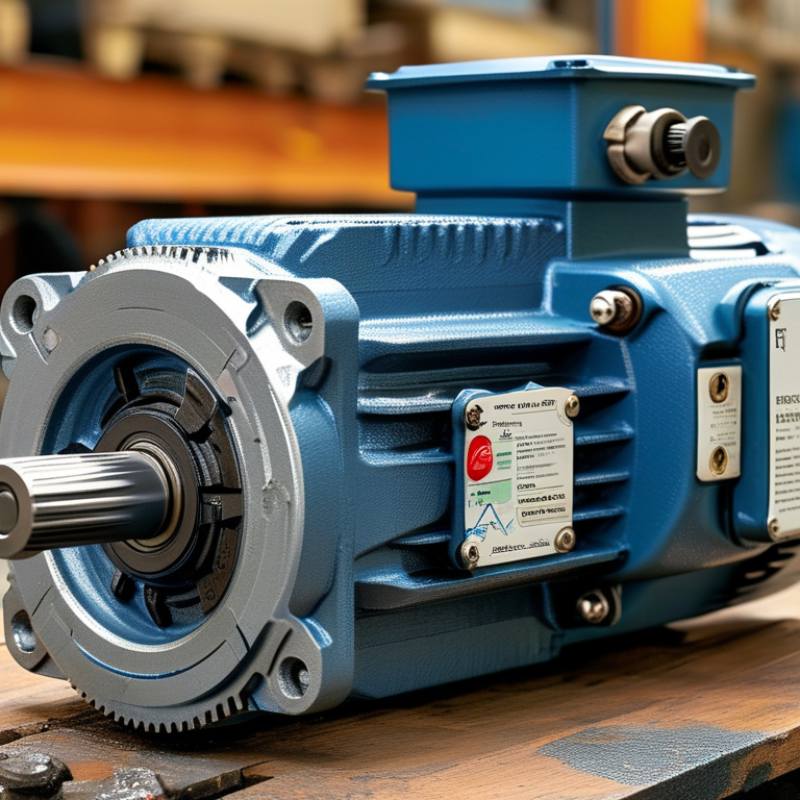
Understanding gear motors is crucial for various industries. These devices are essential for converting energy into motion. They use gears to reduce speed and increase torque. This makes them perfect for applications that require high power and low speed.

In manufacturing, gear motors are found in conveyor systems, robotics, and machinery. Their ability to control speed and direction is vital. For instance, in automated assembly lines, they ensure precise movements. However, not all gear motors are created equal. Selecting the right type involves understanding the specific needs of your operations.

You might encounter challenges while selecting gear motors. For example, considering factors like load, speed, and environmental conditions can be complex. It's important to recognize that inadequate specifications can lead to inefficient performance. Engaging with experts or conducting thorough research can mitigate these concerns.

Key Factors to Consider When Selecting Gear Motors

When selecting a gear motor for business needs, several key factors come into play. Performance specifications are crucial. Look for torque requirements tailored to your application. According to the International Electrotechnical Commission (IEC), motor efficiency has a significant impact on operational costs. Higher efficiency reduces energy waste, which is essential for facilities aiming to lower expenses.

The environment where the gear motor will operate also matters. Harsh conditions, such as exposure to moisture or dust, can affect durability. The right motor should be rated for these specific conditions, ensuring longevity. According to a report from the Electric Machine Association, approximately 30% of motor failures stem from environmental factors. Thus, understanding your operational environment is critical.

Moreover, consider the size and weight of the gear motor. Compact designs may be necessary for space-constrained projects. However, ensure they still meet power and torque requirements. A balance between size and capability can often be difficult to achieve. Test results across various projects indicate that many businesses underestimate the impact of incorrect sizing, leading to underperformance. Therefore, careful evaluation and possibly expert consultation are advised to avoid costly mistakes.

Evaluating Performance Specifications of Gear Motors

When selecting a gear motor for your business, performance specifications are vital. The efficiency of a motor can significantly impact productivity. Industry reports indicate that high-efficiency gear motors can save up to 40% in energy costs. Understanding the torque and speed ratings of a gear motor is crucial. Torque dictates the load a motor can handle, while speed affects the operational tempo.

Tips: Always analyze the application requirements. These specifications should align with your operational needs. For instance, if your task requires high torque at low speeds, select a motor designed for that. A mismatch can lead to inefficiencies.

Assessing the gear ratio is essential too. This ratio connects the motor speed to the output speed. Choosing the right gear ratio can improve performance and extend the motor's lifespan. It can also help avoid potential failures due to overload conditions. Be mindful; incorrect ratios can lead to insufficient torque or excessive wear.

Consider reviewing available data on durability and warranty periods. Reports suggest that well-constructed gear motors can last 10 years or more. However, maintenance practices also play a critical role. Regular checks can prevent unexpected failures. Balancing cost and performance is key, and sometimes, investing in higher quality pays off in the long run.

Assessing Cost vs. Quality in Gear Motor Selection

Choosing the right gear motor for your business requires careful consideration of cost versus quality. Often, businesses assume that a lower price means more savings. However, this mindset can lead to performance issues down the line. A low-cost gear motor may save money initially but could lead to increased downtime and maintenance costs. These hidden expenses can outweigh the initial savings.

Quality gear motors often come with better materials and engineering precision. Investing in a reliable motor typically ensures consistent performance and longevity. Consider factors such as load capacity, torque requirements, and operating conditions. Evaluating these elements helps in making an informed decision.

Sometimes, businesses feel pressured to opt for cheaper options due to budget constraints. This decision can backfire, resulting in subpar performance. It’s essential to strike a balance. Analyzing your specific needs can reveal that spending a bit more on quality can lead to better productivity and reduced operational headaches. Reflect on the potential long-term impacts of your choices.

Identifying Reliable Suppliers for Gear Motors

When selecting gear motors for your business needs, finding reliable suppliers is crucial. The industry is vast, with over 1,000 manufacturers globally. This makes it challenging to identify trustworthy options. Aim for suppliers with a solid reputation and positive customer feedback. A recent industry report indicates that 78% of businesses prioritize supplier reliability when sourcing components.

Consider the certifications that suppliers hold. ISO certifications often reflect a commitment to quality and consistency. Also, check if they offer warranties or guarantees on their products. This assurance can be vital for long-term investments. Pay attention to service offerings, including technical support and shipping times. Delays can impact your operations significantly.

Tip: Always request samples before placing large orders. This helps you evaluate the quality and suitability of the gear motors. Another tip is to analyze the supplier's production capacity. A reliable supplier should match your demand requirements consistently. Lastly, don't hesitate to reach out to their existing clients for feedback. Their experiences can provide valuable insights into the supplier’s reliability and service.

FAQS

: Why are performance specifications important when selecting a gear motor?

: Performance specifications affect productivity. High-efficiency motors can save significant energy costs.

What factors should I consider regarding torque and speed?

Torque determines the load capacity. Speed influences how quickly the motor operates and completes tasks.

How does the gear ratio impact gear motor performance?

The gear ratio connects motor speed to output speed. A correct ratio enhances performance and reduces wear.

What maintenance practices should I follow for gear motors?

Regular checks are essential. They can prevent unexpected failures and extend the motor's lifespan.

What should I look for in reliable suppliers of gear motors?

Seek suppliers with a strong reputation and positive client feedback to ensure trustworthiness and quality.

How can certifications influence my choice of supplier?

ISO certifications indicate a commitment to quality. They often reflect consistency in the supplier's products.

Why is it important to request samples before large orders?

Samples allow you to evaluate the quality. This ensures the gear motors meet your specific needs.

What role do warranties play when selecting gear motors?

Warranties offer assurance for long-term investments. They show the supplier's confidence in their product's quality.

How can supplier service offerings impact my operations?

Consider technical support and shipping times. Delays can disrupt your operations and affect productivity.

What common mistakes should I avoid in gear motor selection?

Don't mismatch specifications with application needs. It can lead to inefficiencies and unnecessary costs.

Conclusion

When selecting a Hot Sale Gear Motor for your business needs, it's essential to first understand the various applications of gear motors. These units are vital in ensuring efficient performance across multiple industries. Key factors to consider include the specific requirements of your application, such as torque, speed, and size. Evaluating performance specifications is crucial to ensure the motor can meet operational demands effectively.

Additionally, it’s important to balance cost and quality in your selection process, as choosing the cheapest option may lead to reliability issues in the long run. Lastly, identifying and partnering with reliable suppliers can significantly enhance your sourcing process, ensuring you receive quality products that align with your operational goals. By taking these considerations into account, you can make an informed decision on the right Hot Sale Gear Motor for your business.

Sophia

Sophia

Sophia is a dedicated marketing professional with an exceptional depth of knowledge about her company's products and services. With a keen understanding of market trends and customer needs, she crafts insightful blog posts that not only inform but also engage readers, enriching the company’s online......