With the rapid evolution of technology in the motor application sector, global buyers face a pivotal moment. According to a recent report by Research and Markets, the global electric motor market is projected to reach $180 billion by 2026. This growth highlights the increasing importance of motor solutions tailored for various industries. Driven by efficiency and sustainability, motor application technologies are at the forefront of this transformation.
Motor applications are critical in sectors such as manufacturing, automotive, and renewable energy. The International Energy Agency states that electric motors consume around 45% of global electricity. Therefore, selecting the right motor application solutions is essential for optimizing performance and reducing energy consumption. However, the landscape can be overwhelming, given the variety of technologies available today.
Global buyers must navigate this complex field with caution. While many solutions promise efficiency, not all deliver on their promises. Evaluating the reliability of suppliers and understanding market trends are essential steps. Only then can businesses ensure they adopt the most effective motor application solutions for their needs.
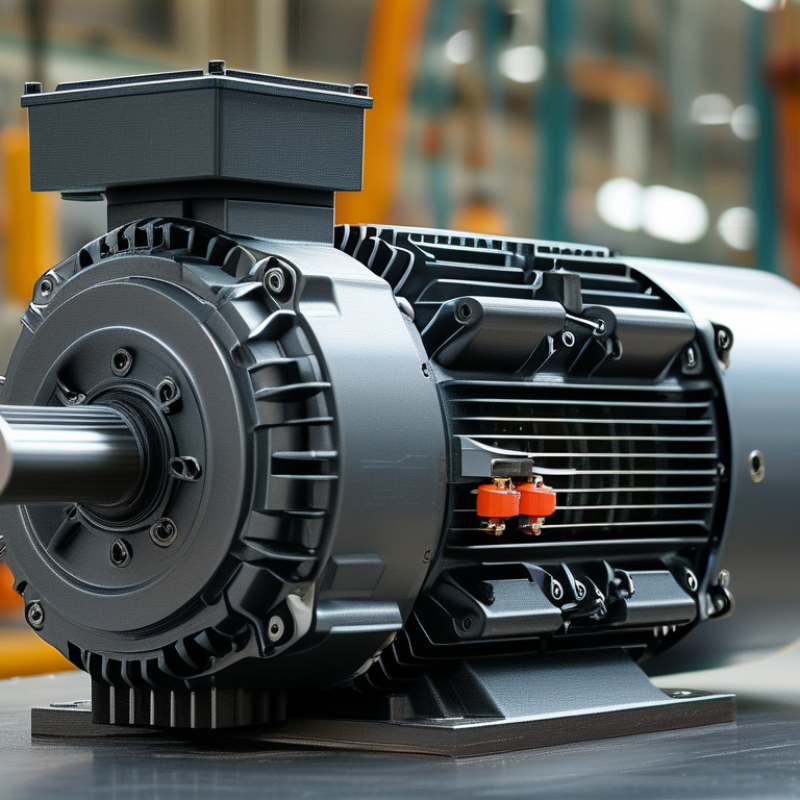
Motor applications play a crucial role across diverse industries. In manufacturing, motors drive machines that assemble products, enabling high-speed production. They also power conveyor belts, fostering efficient material handling. This sector heavily relies on precise motor control for quality assurance and operational efficiency.
In the automotive industry, electric motors are transforming vehicle design. These motors are key components of electric and hybrid vehicles. They provide the torque needed for acceleration while maintaining energy efficiency. However, the shift to electric solutions presents challenges, such as battery life and range limitations.
The renewable energy sector is another area where motors shine. Wind turbines utilize motors to convert wind energy into electricity. They must withstand harsh environmental conditions. Reliability remains a challenge, as unexpected breakdowns can impact energy production. Understanding these various applications reveals the necessity for continuous innovation and improvement in motor technology.
When selecting motors, various factors come into play. Buyers must evaluate performance expectations. Application needs dictate speed, torque, and efficiency. Environmental conditions, such as temperature and humidity, also matter. Motors must withstand the specific challenges of their surroundings. This assessment can be tricky. It requires a balance between power and durability.
Cost is another critical factor. Buyers often face budget constraints. Cheaper motors may compromise quality. They might save upfront but can lead to higher maintenance costs later. Thus, understanding total cost of ownership is vital. Trade-offs between initial investment and long-term savings often require careful thought.
Reliability in motor performance is paramount. Faulty motors can halt production. This loss affects profit and reputation. To ensure reliability, buyers should research suppliers and their track records. Reviews and case studies can provide valuable insights. Checking for certifications can also add a layer of assurance. Every decision should reflect both present needs and future growth plans.
As industries evolve, motor technologies are advancing rapidly. The 2026 trends indicate significant improvements in efficiency and longevity. Reports show that high-efficiency motors can reduce energy consumption by 20-30%. This is crucial for businesses looking to cut operational costs and enhance sustainability.
One exciting development is the rise of smart motors. These motors use IoT technology to optimize performance. They can adjust power usage based on demand, which boosts efficiency. The global market for smart motors is projected to grow by 15% annually. This growth highlights a shift toward more intelligent, self-regulating systems.
Tip: Consider investing in smart motor technologies for better energy efficiency and performance. Evaluating your operation’s specific needs will ensure you make informed choices.
However, implementing new technologies can be challenging. Integration may require changes to existing systems, which not all companies can tackle effectively. Additionally, the upfront costs can be high. Companies should weigh these factors against long-term savings.
Tip: Engage with experts in the field to assess potential upgrades. They can provide valuable insights into optimizing your motor applications.
The automotive industry is witnessing a surge in innovative motor application solutions. Various manufacturers are adopting advanced technologies to enhance efficiency and performance. According to a report by the International Energy Agency, electric motors account for nearly 50% of global electricity use in industrial applications. This figure highlights the importance of optimizing motor solutions to achieve sustainability goals.
Leading manufacturers are focusing on efficiency and reliability. They leverage sophisticated designs and materials to reduce energy losses. The use of permanent magnets, for instance, has shown to increase torque density, leading to smaller, more efficient motors. A recent study by the IEEE revealed that replacing traditional motors with high-efficiency alternatives could reduce energy consumption by up to 20%. Such improvements are crucial in today’s competitive market.
However, not all advancements result in significant gains. Some solutions may require substantial investment without guaranteed performance improvements. This makes it essential for buyers to conduct thorough evaluations. An in-depth analysis of costs, potential energy savings, and overall reliability should guide decision-making. Engaging with industry experts can provide deeper insights into which solutions truly meet the demands of modern applications.
| Motor Type | Power Rating (kW) | Efficiency (%) | Torque (Nm) | Speed (RPM) | Application |
|---|---|---|---|---|---|
| AC Induction Motor | 15 | 92 | 100 | 1450 | Pumps, Fans |
| Synchronous Motor | 20 | 95 | 150 | 1800 | Compressors, Conveyors |
| Servo Motor | 5 | 97 | 20 | 3000 | Robotics, CNC Machines |
| Brushless DC Motor | 10 | 94 | 30 | 4000 | Electric Vehicles, Drones |
| Step Motor | 2 | 90 | 0.5 | 200 | 3D Printers, CNC |
The future of motor applications is evolving rapidly. As industries embrace automation, motors play a vital role. Key innovations focus on energy efficiency and scalability. The integration of smart technologies is transforming traditional motor systems. These advancements enable remote monitoring and predictive maintenance.
One trend is the rise of electric and hybrid systems. They are not only eco-friendly but also cost-effective. Companies are rethinking design parameters to optimize performance. However, challenges remain. Balancing efficiency and power output is crucial. Research into new materials can enhance durability but is still developing.
Another emerging strategy is customization. Industries require motors tailored to specific applications. This trend demands a shift in production methods. Agile manufacturing systems may become more prevalent. As we navigate this landscape, collaboration between engineers and designers is essential. Open communication can lead to breakthrough solutions, but it requires effort and commitment.
: Motors drive machines that assemble products and power conveyor belts, enhancing production efficiency.
Electric motors are crucial in electric and hybrid vehicles, providing necessary torque for acceleration and energy efficiency.
Battery life and range limitations are significant challenges that impact electric vehicle performance.
Motors in wind turbines convert wind energy into electricity but must withstand harsh conditions.
Unexpected breakdowns can impact power production, emphasizing the need for reliable motor solutions.
Electric motors account for this percentage in industrial applications, highlighting the need for efficiency.
They use advanced designs and materials to minimize energy losses and improve reliability.
They could reduce energy consumption by up to 20%, according to recent studies.
Not all advancements guarantee significant performance improvements, requiring careful evaluation by buyers.
Conducting thorough analyses and consulting industry experts can help assess true performance and reliability.
The article titled "2026 Best Motor Application Solutions for Global Buyers" provides a comprehensive overview of the evolving landscape of motor applications across various industries. It outlines key factors that influence motor selection, emphasizing the importance of performance efficiency, energy consumption, and adaptability to specific operational needs.
Highlighting the top motor technologies anticipated for 2026, the article delves into innovations that enhance overall performance and reliability. It also compares leading motor manufacturers, showcasing their solutions and contributions to the market. Finally, the article discusses emerging trends in motor applications, focusing on innovation strategies that align with industry demands, ensuring that buyers can make informed decisions in the ever-evolving motor application sector.
