Choosing the right Variable Speed Gear Motor in 2026 requires more than comparing catalog prices. Global buyers must connect motor design with real operating conditions, service access, and long-term reliability. A compact motor may suit a small conveyor, while a high-torque helical gearbox may better support mixers, hoists, or automated packaging lines.
This guide examines the main motor types available to international purchasers. It considers worm, helical, bevel, planetary, and integrated gear motor solutions. Each type offers different advantages in efficiency, torque density, noise control, braking response, and maintenance needs. Torque matters. Speed range matters. So does the working environment.
Experienced buyers should review rated torque, continuous duty, starting frequency, thermal limits, ingress protection, voltage compatibility, and control-system integration. A motor running beside a dusty loading dock needs different protection than one operating inside a clean food-processing room. Certification documents, test reports, spare-part availability, and supplier support also deserve close attention.
No ranking is perfect. A low purchase price can hide higher energy use or difficult repairs. Conversely, the most advanced motor may exceed the needs of a simple application. Some specifications look impressive but provide little value without clear operating data. Buyers should question unclear efficiency claims and request performance curves before approval.
The following overview offers a practical comparison for distributors, engineers, equipment manufacturers, and industrial users. It does not replace site testing or professional evaluation. However, it can create a dependable starting point for selecting a Variable Speed Gear Motor that balances performance, compliance, cost, and serviceability across global markets.
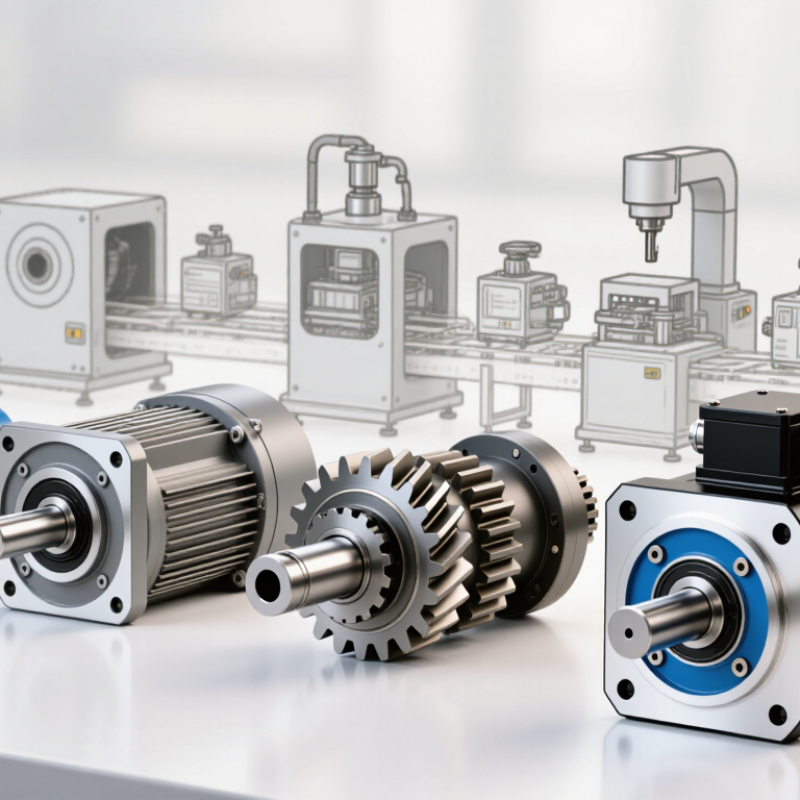
A variable speed gear motor combines an electric motor with a mechanical gearbox. The motor produces rotation, while the gearbox reduces speed and increases usable torque. A variable frequency drive can adjust motor speed smoothly during operation. This setup suits conveyors, mixers, packaging machines, pumps, and automated handling equipment.
Speed is not the only consideration. A motor running slowly may need higher torque to move a heavy load. Gear ratio, duty cycle, starting torque, and thermal capacity must match the application. Helical gear motors offer efficient, steady transmission for conveyors. Worm gear motors provide compact reduction and useful holding performance. Planetary gear motors deliver high torque in a small housing. Bevel gear motors work well where right-angle installation saves space.
In practical installations, accurate load data matters more than a catalog speed range. Measure the starting load, running load, shaft position, and daily operating hours. Check voltage, frequency, insulation class, noise limits, and enclosure protection for the target market. A common mistake is choosing by rated power alone. I have seen a motor pass a brief test, then overheat during continuous production. That detail is easy to miss. Leave reasonable service margin, but avoid excessive oversizing, which can increase cost and reduce control quality. Good selection depends on real operating conditions, not attractive specifications alone.
A variable speed gear motor combines an electric motor, speed controller, and reduction gearbox. The controller changes motor speed by adjusting electrical frequency or voltage. The gearbox then reduces rotation and increases usable torque at the output shaft. This arrangement suits conveyors, mixers, packaging equipment, and automated handling systems.
For example, a motor running at 1,500 revolutions per minute may deliver only 50 revolutions per minute after reduction. The output moves slower, but it can turn a heavier load. Speed control is not unlimited. At very low speeds, cooling may weaken, while high torque can increase heat. A gearbox also creates friction, noise, and small power losses. These details are easy to overlook during early selection.
A practical check should include load weight, starting torque, duty cycle, ambient temperature, and required speed range. Measure the real load when possible. Catalog estimates can be optimistic. I have seen systems selected correctly on paper but poorly cooled in daily operation. Feedback sensors may improve accuracy, especially when speed changes frequently.
Tips: Keep the motor within its rated operating range. Check gearbox lubrication and shaft alignment regularly. Do not assume slower always means stronger. Test acceleration under actual load before full production. Record temperature, vibration, and current readings during commissioning.
Top Variable Speed Gear Motor Types in 2026
Variable speed gear motors combine adjustable rotation with high-output torque. In 2026, buyers commonly compare helical, bevel, worm, planetary, and cycloidal designs. Each type suits different operating conditions, not just different budgets.
Helical gear motors provide quiet operation and strong efficiency for conveyors, mixers, and packaging equipment. Bevel gear motors handle right-angle layouts while preserving useful torque. Worm gear motors offer compact installation and high reduction ratios, although their heat loss can increase during continuous duty. Planetary gear motors deliver high torque in a small housing. They fit robotics, lifting systems, and demanding positioning equipment. Cycloidal models tolerate shock loads well, but their vibration behavior needs careful evaluation.
Variable speed control also changes the selection process. AC motors paired with frequency drives remain practical for pumps and fans. Permanent-magnet motors can reduce energy losses during changing loads. Servo gear motors provide precise speed and position control, while brushless systems suit compact automation. Field experience shows that undersizing is a frequent mistake. A motor may reach the target speed but still overheat under real load.
Check rated torque, service factor, duty cycle, enclosure protection, noise, and braking needs. Measure the actual starting load. Do not rely only on catalog speed ranges. Installation alignment matters too. Even a well-designed gearbox can fail early when shafts, couplings, or lubrication are neglected. Some efficiency claims also assume ideal conditions, which rarely exist on a dusty factory floor.
Representative gearbox reduction-ratio ranges commonly used in variable-speed industrial drive systems.
Worm and cycloidal gear motors support high reduction ratios, while helical, bevel-helical, and planetary designs are often selected when higher efficiency, compactness, or precise speed control is required. Actual operating speed depends on motor frequency, load, gearbox ratio, duty cycle, and control method.
For global buyers, gearmotor selection should begin with the operating profile, not the catalog label. Helical gearmotors suit conveyors and mixers requiring steady torque and good efficiency. Bevel-helical units fit right-angle layouts while preserving strong power transmission. Worm gearmotors remain compact and economical, but their sliding contact can create greater heat and energy loss. Planetary designs deliver high torque in limited spaces, often with tighter backlash control.
Speed range matters as much as rated power. Compare continuous torque, peak torque, starting load, and duty cycle at the actual speed range. A motor rated at 1,500 rpm may perform poorly when forced to run near 200 rpm for long periods. Check efficiency at working load, not only the published maximum. Thermal behavior is critical. Measure housing temperature after several hours, especially in enclosed machines or warm climates.
Control compatibility also affects performance. Induction motors with variable-frequency drives offer practical flexibility, while servo or brushless systems provide sharper positioning and faster response. Verify voltage, frequency, encoder options, braking capacity, and protection rating for the destination market. In factory commissioning, small mismatches often cause large delays. A gearbox can meet the torque target yet fail because of backlash, oil temperature, or an unsuitable mounting position. I have seen selection sheets look complete while missing shock loads and washdown exposure. That is an uncomfortable gap, but it deserves attention before purchase.
2026 Top Variable Speed Gear Motor Types for Global Buyers
How Global Buyers Can Choose the Right Gear Motor
Variable speed gear motors are not selected by speed range alone. Helical units suit conveyors and mixers requiring steady torque. Bevel-helical designs fit right-angle layouts with better transmission efficiency. Worm gear motors remain compact and affordable, but heat and efficiency deserve careful review. Planetary units handle high torque in limited spaces, although their purchase and maintenance costs are higher.
The International Energy Agency reports that electric motor systems consume roughly half of global electricity. The U.S. Department of Energy also notes that motor-driven equipment can use more than 70% of industrial electricity. These figures make efficiency a buying issue, not a technical luxury. Check the motor’s duty cycle, gearbox ratio, starting torque, and expected load variation. A 30% speed reduction may improve process control, but it can also increase cooling demands. Small details matter.
Think beyond the catalog. Measure shaft loading, ambient temperature, dust, washdown exposure, and available voltage before approval. International buyers should verify IEC or equivalent compliance, documentation, spare-part access, and local service capability. I would not choose a gearbox only because its rated torque looks impressive. That approach often ignores shock loads and installation errors. It happens. Ask for efficiency data across the real operating range, not only at the best test point.
It combines an electric motor, speed controller, and reduction gearbox. The controller changes speed. The gearbox lowers rotation and increases output torque.
A motor turning at 1,500 revolutions per minute may produce 50 output revolutions. The output turns slower but handles heavier loads. Slow is not always stronger.
They suit conveyors, mixers, packaging machines, and automated handling systems. They help equipment manage changing speeds and steady torque.
Check load weight, starting torque, duty cycle, temperature, voltage, and required speed range. Measure the real load when possible. Catalog estimates may be optimistic.
Helical units support steady conveyor or mixer loads. Bevel-helical units suit right-angle layouts. Worm units are compact but may lose more energy through heat. Planetary units provide high torque in tight spaces, with higher costs.
Yes. Cooling may weaken at low speeds, especially under high torque. Heat can rise during long operation. Check temperature during actual production.
A motor may perform well at one test point but poorly during speed changes. Ask for efficiency data under real loads and speeds. The best catalog figure can mislead.
Check gearbox lubrication, shaft alignment, vibration, current, and operating temperature. Protect the unit from excessive dust or washdown exposure. Small errors matter.
Feedback sensors can improve accuracy when speed changes frequently. They help detect unstable operation earlier. Still, sensors cannot correct poor sizing.
Verify electrical compliance, technical documents, spare-part access, and local service support. Test acceleration under the actual load before full production. Paper selection is not enough.
A Variable Speed Gear Motor combines an electric motor with a geared transmission and an adjustable speed control system, allowing equipment to operate at different speeds while maintaining suitable torque. By changing motor frequency, voltage, or transmission settings, it can match power output to changing production demands, helping improve process control, energy efficiency, and mechanical performance. In 2026, common types include geared motors using helical, bevel, worm, planetary, and parallel-shaft configurations, each suited to different load, space, speed, and torque requirements.
When comparing options, global buyers should evaluate rated torque, speed range, efficiency, duty cycle, noise, thermal management, protection level, control compatibility, service life, and maintenance needs. The right choice also depends on installation conditions, load characteristics, available power standards, environmental exposure, required certifications, delivery support, and total ownership cost. Selecting a motor based on the complete application rather than purchase price alone can improve reliability, reduce energy waste, and support consistent long-term operation.
