2026 Top Low Voltage Gear Motor Manufacturers

Time:2026-10-05 Author:Ethan
0%

The 2026 Top Low Voltage Gear Motor Manufacturers market is becoming more demanding, not simply larger. Compact automation systems now require precise torque, quiet operation, dependable braking, and efficient heat control. A 24V or 48V drive may power a conveyor, mobile robot, medical actuator, or packaging machine. Each application exposes different weaknesses.

Professor Ion Boldea, a respected electric-machine researcher and author, offers a useful engineering principle: “The motor must be evaluated as part of the complete drive system.” That view matters when comparing every Low Voltage Gear Motor manufacturer. A strong supplier should demonstrate more than catalog efficiency. Buyers should examine gearbox materials, rated torque, duty cycle, thermal limits, protection ratings, encoder options, testing procedures, and after-sales support. Certification and traceable quality records also deserve careful attention.

This guide reviews leading manufacturers through a practical, evidence-based lens. It considers product range, customization capability, production experience, global service, and suitability for demanding equipment. Real performance can differ from brochure claims. It may depend on load patterns, ambient temperature, alignment, lubrication, and controller settings. That is easy to overlook.

Some manufacturers excel at high-volume standard motors. Others deliver better solutions for harsh environments or highly customized machinery. No single ranking fits every buyer. The best choice balances torque, lifespan, energy use, delivery reliability, and total ownership cost. Even small details matter, such as connector quality and gear noise after extended operation. Mistakes happen when specifications are compared without application context. This overview helps engineers and purchasing teams ask sharper questions before selecting a Low Voltage Gear Motor partner for 2026 and beyond.
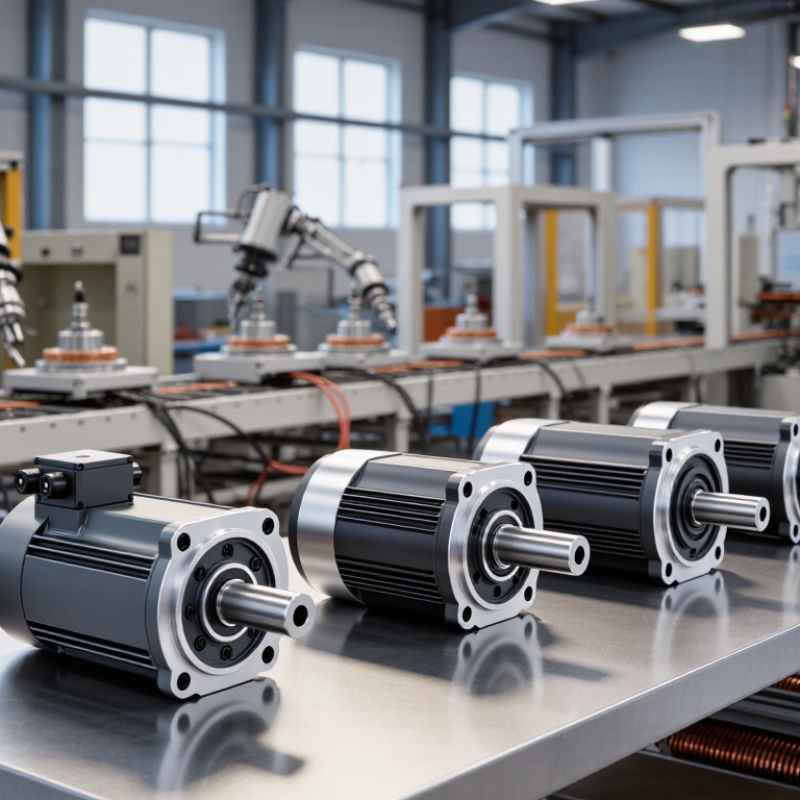
2026 Top Low Voltage Gear Motor Manufacturers

Low Voltage Gear Motors: Definition, Types, and Operating Principles

Low Voltage Gear Motors: Definition, Types, and Operating Principles

A low voltage gear motor combines an electric motor with a reduction gearbox. It commonly operates at 12, 24, or 48 volts DC, though some industrial systems use low-voltage AC. The motor produces rotational force through electromagnetic interaction. The gearbox then lowers speed and increases usable torque at the output shaft.

Common gearbox types include spur, helical, worm, planetary, and bevel designs. Spur gears offer simple construction and competitive pricing. Helical gears usually run more quietly under continuous loads. Worm gears provide high reduction ratios and can resist back-driving, although they may lose more energy as heat. Planetary units deliver strong torque from a compact housing. Bevel gears transfer motion through an angle, which helps in space-limited equipment.

Selection requires more than checking voltage. Measure the required output speed, starting torque, duty cycle, shaft load, and available space. A conveyor may need steady torque, while a battery-powered actuator may prioritize efficiency and low standby consumption. During practical testing, monitor housing temperature, current draw, vibration, and gear noise after repeated starts. These details often reveal problems that a catalog rating misses.

A higher ratio is not always better. It can improve torque but reduce speed and efficiency. I have seen small motors overheat because designers calculated running torque, not starting demand. That mistake is easy to repeat. A careful design also checks wiring losses, gearbox backlash, lubrication, and whether the motor can be serviced safely.

Key Factors for Evaluating Gear Motor Manufacturers in 2026

In 2026, evaluating low voltage gear motor manufacturers requires more than comparing prices. A capable supplier should show experience with 12V, 24V, or 48V systems. Ask for load curves, thermal data, gear ratios, and measured noise levels. Vague specifications deserve caution. Real expertise appears in shaft tolerances, lubricant selection, winding protection, and documented design changes.

Check the manufacturer’s testing process. Ask how engineers verify startup torque, continuous load, vibration, and heat rise. Measure heat rise. Factory traceability also matters. Can the team identify the production batch, materials, and inspection records? Independent test reports can strengthen confidence, especially when motors operate inside medical, automation, or battery-powered equipment. Recognized safety and quality systems should support these claims, not replace them.

Practical trials expose weaknesses. Test the samples. Run repeated cycles under realistic loads, including cold starts and brief overloads. A quiet motor may still waste energy through poor gearing. A polished datasheet can hide inconsistent assembly. I have found that response speed often reveals a supplier’s reliability. Do they explain failures clearly? Do they provide useful drawings and repair guidance? No manufacturer is perfect, and demanding flawless samples can obscure normal production limits. Small faults matter. The best evaluation records both strong results and unresolved questions before long-term purchasing.

Leading Low Voltage Gear Motor Manufacturers and Their Specialties

The 2026 low voltage gear motor market favors manufacturers with clear technical specialties. Helical gear motor producers focus on high efficiency and steady conveyor duty. Worm gear specialists offer compact layouts and strong self-locking behavior. Planetary manufacturers target robotics, packaging, and servo-driven equipment requiring high torque density. IEC 60034-1 commonly treats low voltage as below 1,000 volts AC, making insulation, thermal limits, and testing essential selection points. The International Energy Agency reports that electric motor systems consume nearly half of global electricity, so small efficiency gains can matter across large facilities.

Tips: Compare rated torque, service factor, noise, gearbox backlash, and IP protection. Ask for tested efficiency curves, not only catalogue values. A 2024 MarketsandMarkets assessment identifies automation, material handling, and industrial machinery as major gear motor demand areas. These applications need different strengths. A warehouse conveyor may value continuous duty and easy maintenance. A robotic axis may require low backlash and rapid acceleration. One specification cannot serve both well.

Experienced buyers should also examine supplier engineering depth. Strong manufacturers provide thermal calculations, CAD files, replacement-part planning, and application testing. Local assembly can shorten delivery, while vertically integrated production may improve consistency. Still, neither option guarantees reliability. I have seen apparently suitable motors fail because starting torque, ambient heat, or washdown exposure was underestimated. This is an uncomfortable but useful reminder: published efficiency data may not reflect real loads, frequent reversals, or poor alignment. Ask for test conditions and independent certification before approving a 2026 equipment list.

Applications and Industry Requirements for Low Voltage Gear Motors

2026 Top Low Voltage Gear Motor Manufacturers

Low voltage gear motors power conveyors, medical beds, automated doors, packaging lines, and compact material-handling equipment. Their applications differ, so one specification rarely fits every machine. A conveyor may need steady torque at low speed, while a door operator requires quiet starts and frequent reversing. Space is tight. Motor size, gearbox ratio, duty cycle, and mounting position must match the actual installation.

Industrial buyers usually examine voltage stability, rated torque, thermal performance, noise, and service life. In food-processing areas, sealed housings and corrosion-resistant materials can simplify cleaning. Warehouses may prioritize electromagnetic compatibility, encoder feedback, and braking control. For battery-powered equipment, efficiency becomes more important because every watt affects operating time. Engineers should also check starting current, shaft loads, cable protection, and controller compatibility before approving a motor.

Field testing often reveals problems that catalog data misses. A motor can meet its rated torque yet overheat after repeated starts. A gearbox may run quietly at first, then develop backlash under uneven loading. That is why manufacturers need documented test methods, traceable materials, and consistent quality inspection. I would not select a unit from voltage and torque alone. Real duty patterns matter more. Sometimes the better choice is slightly oversized, although this can increase cost, weight, and energy use. Requirements should be reviewed with maintenance teams, not only design engineers, because access and replacement time are practical performance measures.

How to Select the Right Low Voltage Gear Motor Manufacturer

2026 Top Low Voltage Gear Motor Manufacturers

How to Select the Right Low Voltage Gear Motor Manufacturer

Selecting a low voltage gear motor manufacturer starts with the application, not the catalog. Define voltage, continuous torque, starting torque, output speed, duty cycle, and mounting space. A 24 V motor lifting a conveyor gate needs different protection than a 48 V drive operating inside a dusty cabinet.

Efficiency deserves serious attention. The U.S. Department of Energy’s Motor Systems Market Assessment reports that motor systems use about 68% of electricity in American manufacturing. Small efficiency losses can become expensive across thousands of operating hours. Ask for measured efficiency curves, thermal test conditions, gearbox backlash, noise data, and overload limits. IEC 60034-30-1 efficiency classifications help, but they do not replace application testing.

Look beyond the sample unit.

A reliable manufacturer should provide traceable test records, consistent winding quality, inspection procedures, and technical support after delivery. Confirm IP ratings, insulation class, connector quality, brake options, and replacement lead times. Also review their experience with your load profile, not only their product range. A motor may meet rated torque on paper, yet stall during cold starts or repeated reversals. That mistake is common.

I would request pilot units and run them at real voltage, temperature, load, and duty cycle. A spreadsheet cannot reveal every vibration problem. Even established suppliers can miss a detail, especially when gearbox losses or cable drops are underestimated. Independent reports from the International Energy Agency continue to identify motor efficiency as a major industrial energy opportunity, making transparent test data more valuable than impressive claims.

2026 Top Low Voltage Gear Motor Manufacturers: How to Select the Right Manufacturer

Use this suggested procurement framework to compare low voltage gear motor manufacturers. The weighting focuses on the practical factors that most influence long-term performance, integration, and operating cost. It is manufacturer-neutral and does not represent any specific brand or company.

Higher-weight criteria should receive greater attention during supplier qualification. Confirm the motor's voltage, torque, speed, duty cycle, efficiency, ingress protection, safety certifications, customization capability, and after-sales support against your actual application requirements.

FAQS

What is a low voltage gear motor?

It combines a DC motor with a reduction gearbox. Common voltages include 12, 24, and 48 volts. The gearbox lowers speed and increases output torque. The motor creates rotation through electromagnetic interaction.

Which gearbox types are commonly used?

Common designs include spur, helical, worm, planetary, and bevel gears. Spur gears are simple and economical. Helical gears usually operate more quietly under continuous loads. Planetary gears provide strong torque in a compact housing. Bevel gears change motion direction.

Is a higher gear ratio always better?

No. A higher ratio can increase torque but reduce speed and efficiency. Worm gears may resist back-driving, but they can produce more heat. The correct ratio depends on speed, torque, and duty cycle. More reduction is not automatically better.

How should I select the correct motor?

Check output speed, starting torque, duty cycle, shaft load, and installation space. Do not rely on voltage and rated torque alone. A conveyor may need steady low-speed torque. A battery actuator may need high efficiency and low standby consumption. The selection can still be imperfect.

What should practical testing include?

Run repeated starts under realistic loads. Include cold starts and brief overloads. Monitor current draw, housing temperature, vibration, and gear noise. Check performance after several cycles, not only during one short test. Measure heat rise.

How can I evaluate a manufacturer?

Request load curves, thermal data, gear ratios, and measured noise levels. Ask how engineers verify startup torque and continuous-load performance. Useful records include batch details, material information, and inspection results. Clear failure explanations are valuable. Vague specifications deserve caution.

What matters in different applications?

Conveyor systems often require steady torque and controlled low speed. Door operators may need quiet starts and frequent reversing. Battery equipment needs efficient operation because every watt affects runtime. Food-processing equipment may require sealed housings and corrosion-resistant materials. Space is tight.

What problems can appear after installation?

A motor may meet its rated torque yet overheat after repeated starts. A gearbox can become noisy or develop backlash under uneven loading. Cable losses, lubrication, shaft loads, and controller compatibility also matter. Maintenance access affects replacement time. I might still miss something without field testing.

Conclusion

This guide provides a practical overview of the Low Voltage Gear Motor market in 2026, beginning with its definition, common types, and basic operating principles. It explains how gear reduction, motor voltage, torque, speed, efficiency, noise, and thermal performance influence equipment design and long-term reliability. The article also outlines the key criteria for evaluating manufacturers, including engineering capability, product customization, quality control, testing standards, delivery capacity, technical support, and after-sales service.

It further compares the specialties commonly found among leading manufacturers without focusing on specific brand names, while connecting motor selection to applications such as automation equipment, conveyors, medical devices, smart appliances, material-handling systems, and compact industrial machinery. Finally, readers will learn how to choose a suitable manufacturer by matching technical requirements, operating conditions, certification needs, budget, production volume, and lifecycle support. This approach helps buyers reduce risk and select a dependable solution for current and future applications.

Ethan

Ethan

Ethan is a seasoned marketing professional with a deep expertise in our company's innovative product line. With a passion for sharing knowledge and insights, he takes the lead in regularly updating our corporate blog, where he explores industry trends, product features, and effective marketing......